Meet Dr. Bush
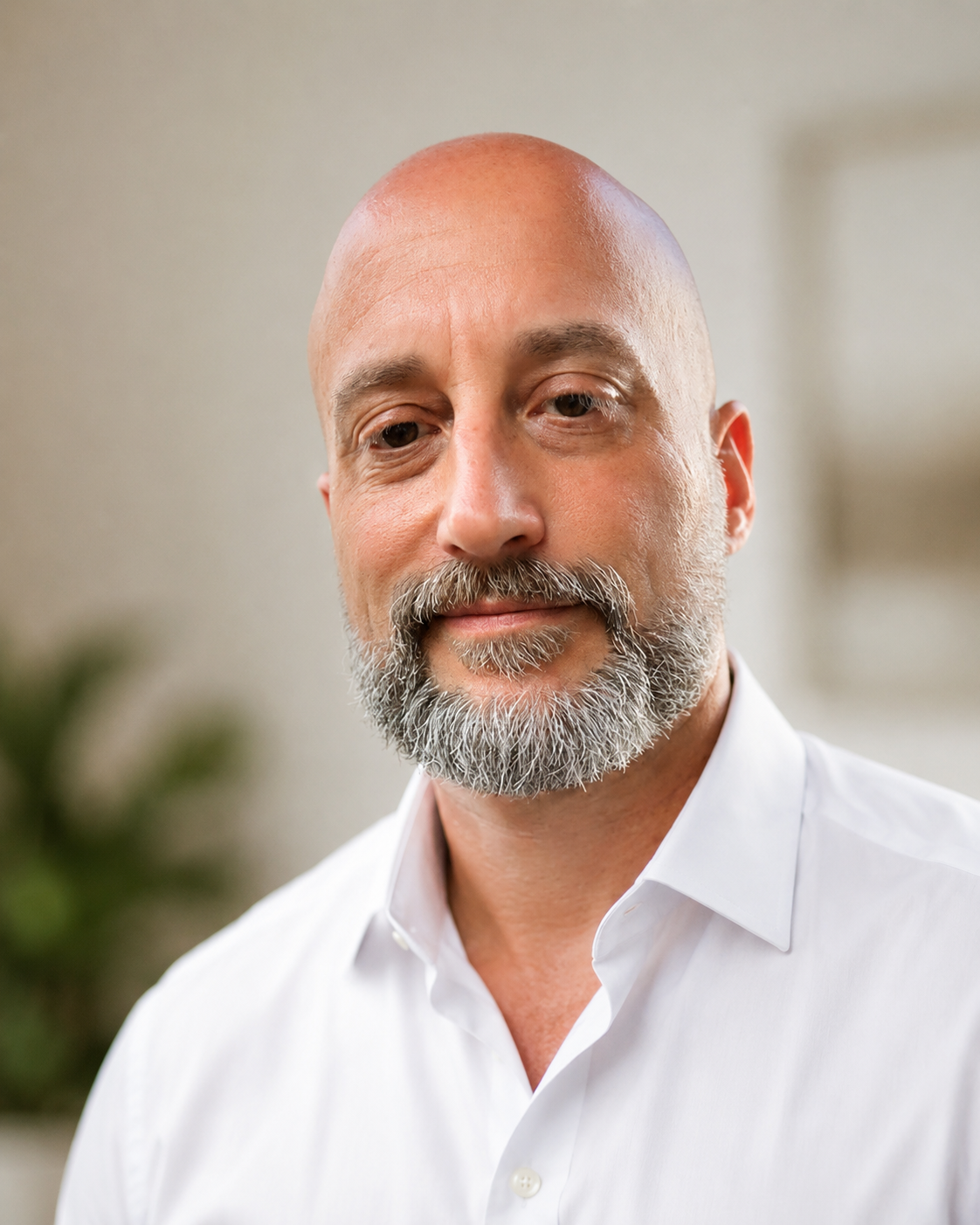
I'm Dr. Justin Bush, a licensed psychologist in Oregon and Washington, and I specialize in evaluating reading, learning, and attention in children and adolescents. Families usually find their way to me at a hard moment: a bright kid is struggling to read, school feels like a fight, and the answers so far have been either confusing or slow in coming. My job is to change that — to look carefully at how your child's mind works, name what's really going on, and hand you a clear path forward.
My doctoral training is in school psychology — the study of how children learn and what to do when learning breaks down — which is exactly the ground a reading or dyslexia evaluation stands on. I built my practice, Positive Development, around a simple belief: an evaluation should leave a family with more understanding and more hope than they walked in with, not just a label and a bill.
How I work
Every evaluation I do is strengths-based and developmentally framed. That's not a slogan — my academic training was in positive youth development and the science of what helps children thrive, so I'm just as interested in what your child does well as in where they struggle. Both matter for building a plan that actually works. I use current, evidence-based measures, and I tie every recommendation to a specific finding, so nothing in my report is guesswork or boilerplate.
I also keep things focused. Rather than a sprawling battery that exhausts a child, I use a tight, purposeful set of measures and keep testing sessions short. Because so many reading difficulties travel alongside attention and executive-functioning challenges, I look closely at those too — they're often the missing piece that explains why learning has felt so much harder than it should.
And I write for humans. My reports are meant to be read and understood by parents, teachers, and — when it matters — attorneys and IEP teams, not just other psychologists.
Who I see
I work with children and adolescents (roughly ages 6 to 18) and their families across the Portland–Vancouver metro, entirely by telehealth — so there's no travel, no waiting-room stress, and often a much shorter wait to be seen. I'm licensed in both Oregon and Washington, which lets me serve families on both sides of the river.
Families come to me for independent dyslexia and reading evaluations, for a closer look at attention and executive functioning, and for independent educational evaluations (IEEs) when they disagree with a school district's findings and want an objective second opinion.
Background & credentials
I'm a licensed psychologist in Oregon (License #2154) and Washington (License #PY61540899). I earned my PhD in Educational and School Psychology from the University of Washington, where my training centered on evidence-based assessment and treatment, prevention science, and positive youth development. School psychology sits at the intersection of how children learn and how schools serve them — the exact ground a reading, dyslexia, or independent educational evaluation stands on.
For nine years I served as a staff psychologist at Pediatric Associates of the Northwest, a pediatric medical home with integrated behavioral health, where I assessed and supported children and teens alongside their pediatricians and families. Across more than fifteen years of practice — including the group and private practices I've founded — I've kept coming back to the questions that matter most to families navigating school: Is this dyslexia? Is attention part of the picture? And most importantly, what will actually help?
I'm also a published researcher, with work on students' strengths, school connectedness, life satisfaction, and achievement — the evidence base that informs how I evaluate and what I recommend.
Why this work
Reading is the doorway to almost everything else in school, and when a child can't get through it, the cost isn't just academic — it's how they come to see themselves. I've watched too many capable kids quietly decide they're "not smart" simply because no one had named what was actually happening. My whole training points the other way: toward a child's strengths, toward what's possible, toward getting the answer right early enough to change the trajectory. That's the work I care most about.
Let's talk about your child
If your child is struggling with reading, attention, or learning, I'd be glad to help you figure out what's going on and what comes next. Reaching out is simple and there's no pressure — just a conversation about whether an evaluation is the right step.